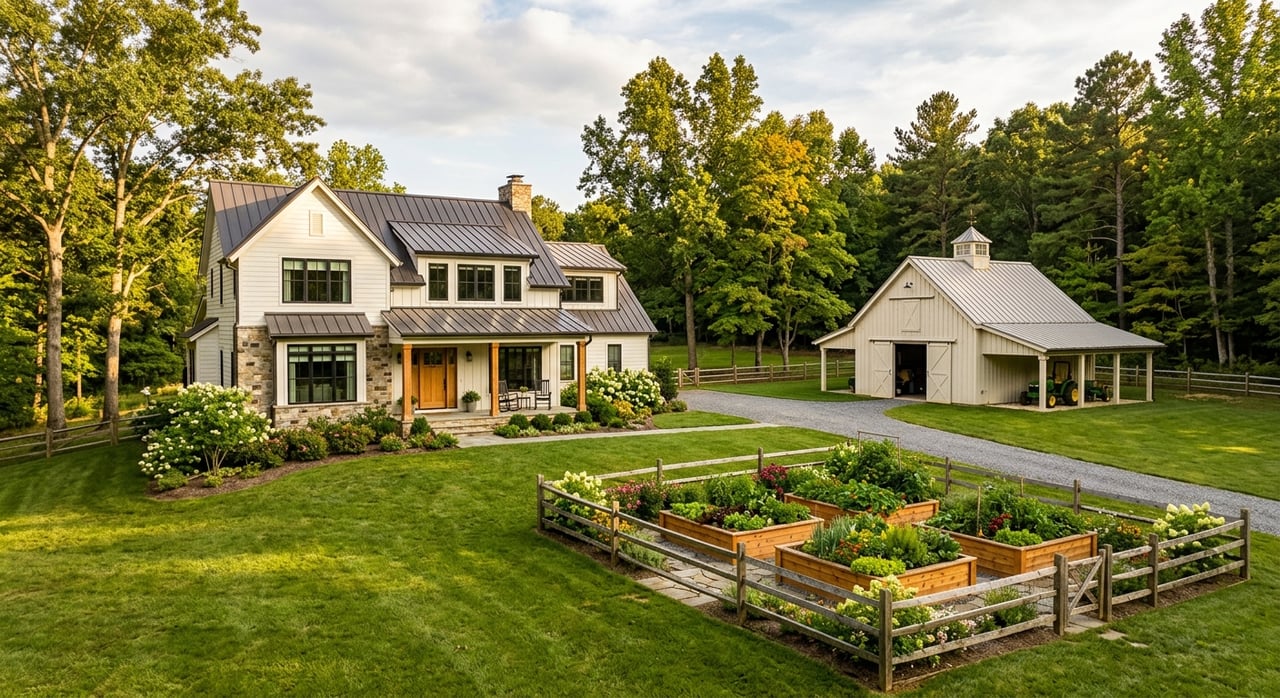
If you are picturing a quiet Chelsea property with room for a garden, a workshop, or a few hobby-farm features, it is easy to fall in love with the idea before you verify the details. Land and mini-farm properties can offer flexibility and breathing room, but they also come with questions that do not always come up in a typical neighborhood home search. If you are considering land or a mini-farm in Chelsea, this guide will help you focus on the checks that matter most before you buy. Let’s dive in.
Start With Legal Use
Before you compare price per acre, make sure the parcel can legally support what you want to do. In Chelsea, land use is tied to the property’s jurisdiction, zoning district, and any applicable overlay rules.
Chelsea’s planning materials make it clear that long-range planning helps guide future zoning decisions, while the city’s zoning resources include a zoning map, zoning code, design standards, overlay materials, and a zoning verification form. For buyers, that means a parcel should be evaluated as a site-specific purchase, not just extra land attached to a house.
Why Proposed Use Matters
Chelsea’s zoning verification and foundation survey form asks for the proposed use of the property. It also asks about zoning district, overlay district, setbacks, flood-hazard status, and whether animals or livestock will be kept.
If the answer to certain review questions is yes, the property may need additional review before approval. So if you are dreaming about chickens, a barn, fencing, or a larger garden setup, it is smart to confirm those details early instead of assuming the land will work the way you hope.
Check Utilities Early
Utility access can shape the cost, timeline, and feasibility of a land purchase in Chelsea. This is one of the biggest reasons a pretty parcel does not always become the right parcel.
Chelsea’s building-services information says residential permitting continues through Shelby County Development Services until January 2027, and the first step for a residential permit is Chelsea’s zoning verification form. Shelby County’s permit checklist also requires sewer or septic authorization, zoning approval for property inside city limits, a plot plan, and in some cases a floodplain permit.
Sewer, Septic, Water, and Power
Chelsea’s permit application asks whether city sanitary sewer is available, whether a new sewer tap is needed, whether the sewer is private, and whether the project will use a septic system. It also asks about new water taps, electrical service, and natural gas.
That is important because utility availability is parcel-specific. You should not assume a parcel has the same service options as nearby homes or subdivisions.
Chelsea’s comprehensive planning materials note that only part of the city was served by sewer and that much of the city was still on septic. For buyers looking at acreage, that is a strong reminder to verify the exact property, not the general area.
Understand Septic Before You Buy
If a parcel is not served by city sewer, septic suitability becomes a major part of your decision. This step can affect whether you can build at all and what your future maintenance will look like.
Alabama Public Health advises buyers to check with the city sewer authority or local health department before purchase. If sewer is not available, soil testing is needed to determine whether an onsite sewage system is suitable.
Not Every Site Works for Conventional Septic
According to Alabama Public Health, many sites are not suitable for conventional septic systems. A permit to install the system must be issued before construction begins.
That means septic is not just a box to check later. If you are buying land in Chelsea for a home, guest structure, or mini-farm lifestyle, septic and soil conditions should be part of your early due diligence.
Plan for Setbacks and Site Layout
Once you know the property can support your intended use, the next question is whether your plans fit the site. This includes the location of the home, access points, flood-hazard concerns, setbacks, and room for any accessory structures.
Shelby County requires scaled residential plans for construction, including a foundation plan, floor plan, roof plan, and elevation views. The county also requires a plot plan showing structure location, setbacks, and erosion-control measures.
Surveys Are More Important Than Many Buyers Realize
In zoned areas, Shelby County requires setback-verification surveys prepared by an Alabama Registered Land Surveyor. That helps confirm that the planned improvements fit within the property’s legal building area.
Chelsea’s zoning verification form also asks whether the lot has setback conflicts, whether it includes a flood-hazard area, whether a subdivision requires sidewalks, and whether the property will involve animals or livestock. In other words, usable acreage is about more than open space. It is about how the site functions on paper and in practice.
Know the Rules for Splitting Land
Some buyers look at land in Chelsea with a plan to divide it later. If that is part of your goal, you will want to review county requirements before you move forward.
Shelby County says subdividing land requires a surveyed parent parcel and new parcel, review by the Shelby County Planning Commission, and recording in probate court after approval. The county also notes an exemption for certain divisions where each resulting portion is at least 20 acres and no roadway, drainage, or other public improvement is involved.
Future Flexibility Should Be Verified
If long-term flexibility matters to you, ask those questions before closing. A parcel that seems large enough to divide may still involve review, surveying, and approval steps that affect your timeline and budget.
For buyers who want a home now and options later, this is one of the most important planning conversations to have up front.
Think Beyond the Purchase
A mini-farm lifestyle can be rewarding, but ownership usually includes more hands-on upkeep than buyers expect. It helps to think through maintenance before you commit to the property.
If the home uses a septic system, Alabama Public Health advises owners to have the tank and effluent filter cleaned every three to five years, inspect the system yearly, and avoid driving over the drain field, building over it, or planting trees and shrubs near it. Failing septic systems can affect health, the environment, property value, and repair costs.
City Rules Still Matter
If your property is inside Chelsea city limits, local ordinances also shape how the property is maintained. Chelsea’s nuisance ordinance says overgrown grass or weeds can be treated as a nuisance, although cultivated row crops and garden plants are excepted during their growing seasons.
Chelsea also points residents to rules covering animals, noise, litter, nuisance issues, and traffic-related matters. For buyers who want more land but also want to stay organized and compliant, these are practical details worth reviewing.
Factor In Everyday Services
When buyers picture acreage, they often focus on privacy and possibility. But everyday convenience matters too.
For properties inside city limits, Chelsea advertises weekly trash pickup, bi-weekly recycling, and quarterly bulk-trash service. That may seem minor at first, but it is part of the day-to-day ownership experience and part of the real cost and convenience of living on a larger property.
Build the Right Local Team
Land purchases usually involve more moving parts than a standard home purchase. The right team can help you sort through those pieces in the right order.
Based on Chelsea and Shelby County’s process, the most useful early contacts often include your buyer’s agent, the city or county zoning office, a surveyor, the county health department, a septic installer, and your builder or site contractor. That sequence matters because Chelsea requires zoning verification before residential permitting, Shelby County requires plot plans and survey verification, and Alabama Public Health requires septic permitting and licensed installers when onsite sewage is needed.
A Smart Order for Due Diligence
If you are serious about land or a mini-farm in Chelsea, keep your process simple and structured:
- Confirm the property’s jurisdiction and zoning first
- Verify utility availability second
- Check sewer or septic feasibility third
- Review setbacks, surveys, and flood-hazard questions next
- Move into house plans, barns, fencing, and other improvements after that
That order can help you avoid spending time and money on a parcel that does not fit your goals.
Chelsea can be a great place to find land with room to grow, but the best purchases are grounded in careful planning. When you verify use, utilities, septic, site layout, and local requirements early, you give yourself a much better chance of turning a beautiful piece of land into a workable long-term home plan. If you want experienced guidance as you explore acreage, land, or mini-farm opportunities in Chelsea, connect with Sold By The Bell LLC.
FAQs
What should you check before buying land in Chelsea, AL?
- You should confirm the parcel’s jurisdiction, zoning, overlay rules, utility availability, septic or sewer options, setbacks, flood-hazard status, and whether your intended use requires additional review.
Can you keep animals or livestock on land in Chelsea?
- Chelsea’s zoning verification form specifically asks whether animals or livestock will be kept, and a yes answer may require additional review, so you should verify the rules for the exact parcel before buying.
Does every Chelsea land parcel have access to sewer?
- No. Chelsea’s planning materials show that only part of the city was served by sewer, so you should verify sewer availability for the exact property and not assume it is available based on nearby development.
What happens if a Chelsea property needs septic?
- If sewer is not available, Alabama Public Health says soil testing is needed to determine whether an onsite sewage system is suitable, and a permit must be issued before installation and construction proceed.
Can you split a larger parcel in Shelby County later?
- Possibly, but Shelby County says land division may require surveys, Planning Commission review, and recording in probate court, so future division potential should be confirmed before purchase.
Why is a survey important for a Chelsea land purchase?
- Surveys help confirm boundaries and, in zoned areas, Shelby County requires setback-verification surveys prepared by an Alabama Registered Land Surveyor to show that planned improvements fit the site legally.